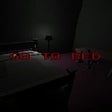
Go to Bed turns nightly chores into tense micro-horror
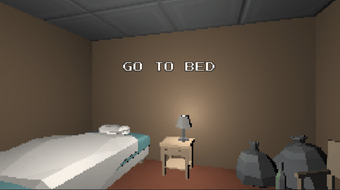
Go to Bed, by JoeTheItchPro, is a short Mac adventure horror that makes securing your home the objective before sleep. The game tasks players with manually locking doors, closing windows, and managing alarms while a lurking entity reacts to missed steps, creating methodical tension across escalating situations. It pairs low-poly, PSX-inspired graphics, a house-wide interactive environment, and a surprise final-act twist. Players who favor indie micro-horror gain a compact, detail-focused experience.
What kind of game is it? A ritual-driven micro-horror.
In this game, the loop reduces to a domestic checklist converted to hazard mitigation. Players use first-person exploration to move through rooms, manually lock doors, close windows, and arm house alarms while an unseen entity reacts to missed steps. The design emphasizes deliberate pacing and repeatable sessions, and success depends on sequencing and thoroughness rather than reflex-based combat. Attention to order and completeness is the primary gameplay skill.
Does it have a multiplayer mode? Single-player only, focused on methodical tasks.
Inside the house, play is strictly solitary; no multiplayer modes are present and emphasis is on single-session runs. Controls use WASD for movement, E to interact with objects, and ESC to return to the menu. Interaction is literal: you must target specific doors, windows, and the security panel. The game's two-week origin as a jam submission explains the tight, compact design and short-run structure.
What does the game look and sound like? Low-poly visuals and tight audio design.
While playing, the visual tone matches its mechanical focus with low-poly, PSX-inspired graphics that frame rooms and silhouettes clearly. Audio centers on ambient creaks and distant presence cues to heighten psychological tension without frequent jump scares. The interface keeps interaction minimal, though some players report text prompts are hard to read on certain displays, which can affect clarity during rapid decisions.
Is it hard to get started? Low barrier to entry, with replay value driven by a twist.
During each run, the game asks for basic actions and offers minimal onboarding, which makes sessions accessible for quick playthroughs that last only a few minutes. The final-act twist changes expectations and can produce different outcomes based on earlier choices, encouraging repeat play. Because the developer focuses on short horror entries and built the project in a jam, the structure favors compact experimentation rather than extended campaigns.
Recommendation: compact, tense micro-horror for short-session players
The game is a focused choice for players who enjoy tension from careful, repeatable tasks and brief play sessions. The design rewards replaying runs to test the surprise final-act twist, but the compact scope limits narrative depth for players seeking long campaigns. It suits fans of micro-horror and atmospheric experiments who prefer concentrated experiences over extended adventures and focused exploration.